How NEP 2020 is Changing Teacher Education in India
NEP 2020 has revolutionised teacher training in India by introducing various reforms and making learning technology-driven. As one of the earliest adopters of NEP policies, Lakshay College of Education offers a more practical and engaging learning experience for trainees.
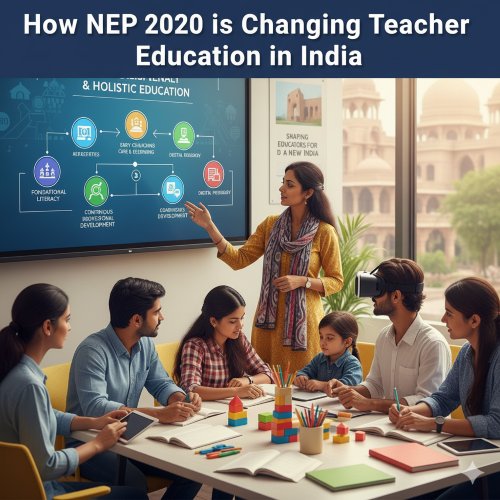
How NEP 2020 is Changing Teacher Education in India
The introduction of the New Education Policy (NEP) in 2020 was seen as the harbinger of major educational reforms in schools and universities. But the biggest reforms introduced by the policy were in the area of teacher training. And that makes sense—because no matter how good the syllabus or classrooms are, it’s the teacher who shapes the learning.
A New Way of Preparing Teachers
In the past, teacher training often felt like a lot of theory with very little practice. NEP 2020 has tried to change that by making teacher training more hands-on. Students spend more time in real classroom settings, work with technology, and practice applying what they’ve learned. In simple words, it’s less about memorizing methods and more about learning to teach in real life.
The 4-Year Integrated B.Ed. Program
One of the most practical changes is the four-year integrated B.Ed. program. Earlier, students had to complete a bachelor’s degree before even thinking about teacher training. Now, right after school, they can directly start preparing to be teachers. This not only saves them years but also gives them a clear, focused pathway into the profession. By the time they finish, they’re trained in both subject knowledge and teaching skills, without repeating the same content again and again.
Technology Becomes Part of Training
Modern classrooms are becoming increasingly sophisticated and technology-driven. From smart boards to digital tools and even online platforms, technology has become an integral part of educating students at schools and university levels. The inclusion of digital literacy and online teaching methods in teacher training as a part of NEP helps prepare aspiring teachers for this scenario. At Lakshay College of Education, trainees start using these tools from day one, preparing them to blend traditional teaching with modern technology.
Learning by Doing
Understanding and retaining theoretical concepts taught in classrooms becomes easier through practical activities. That’s why aspiring teachers are required to do internships in schools, observe expert teachers at work, and participate in group learning activities as part of NEP reforms. Trainees gain the confidence to handle real-world teaching challenges besides improving their classroom management skills.
Growth Doesn’t Stop at Graduation
The learning journey of teachers is never ending, as it helps them stay competent and relevant. Before NEP, most teacher training programs ignored this vital aspect. To rectify this error, NEP has introduced regular workshops, short-term courses, and online training sessions in teacher training. This keeps teachers updated with new teaching styles and methods while also helping them grow in their careers.
What This Means for Future Teachers
The more practical, future-ready, and meaningful curriculum of teacher training under NEP will help aspiring teachers significantly. At Lakshay College of Education, Panipat, these reforms have already been implemented to provide trainees balanced theoretical and practical learning, strong digital training, and plenty of real-world exposure.
Final Thoughts
The reforms under NEP 2020 have made teacher education in India stronger and more relevant to today’s world.
By choosing a place like Lakshay College of Education, you’re not just earning a degree—you’re preparing yourself to become the kind of teacher who inspires, guides, and shapes young minds for years to come.